
Stopping Plant-Based Self-Destruction Disease Increase

A desire can make us do some silly things. With or without the awareness, we'll let vanity control actions. Anything to lose weight and feel good about ourselves. It sounds like a YouTube hoax or a promising trend nobody has tested or understands the outcome. If they knew people had already been sick and even died then alarms should start going off.
The reality is, our grandparents probably had a good idea. Our parents probably don't know. And for you and me, it's highly unlikely. Unless you've been around certain circles, you're unlikely to know why you wouldn't do this to lose weight. But as you're reading this, there's a greater chance you are enlightened.
Nevertheless, the most shocking part of this devastating diet story is that it was revealed on Japanese TV. A trusted medium viewed as a better source of info. In the end, a thousand dieters found themselves with severe sickness and diarrhoea. Of those people, 122 were admitted to hospital for treatment. Just because they followed seemingly credible advice. The simple advice of toasting dry raw white kidney beans for three minutes and then grind them up into a powder. Then this powder can then be added to their rice.
Now if you've heard the story "kidney beans have killed because they are toxic" before, then you'll be sure to quickly see why all of these people ended up in the hospital.
It's because they suffered lectin poisoning
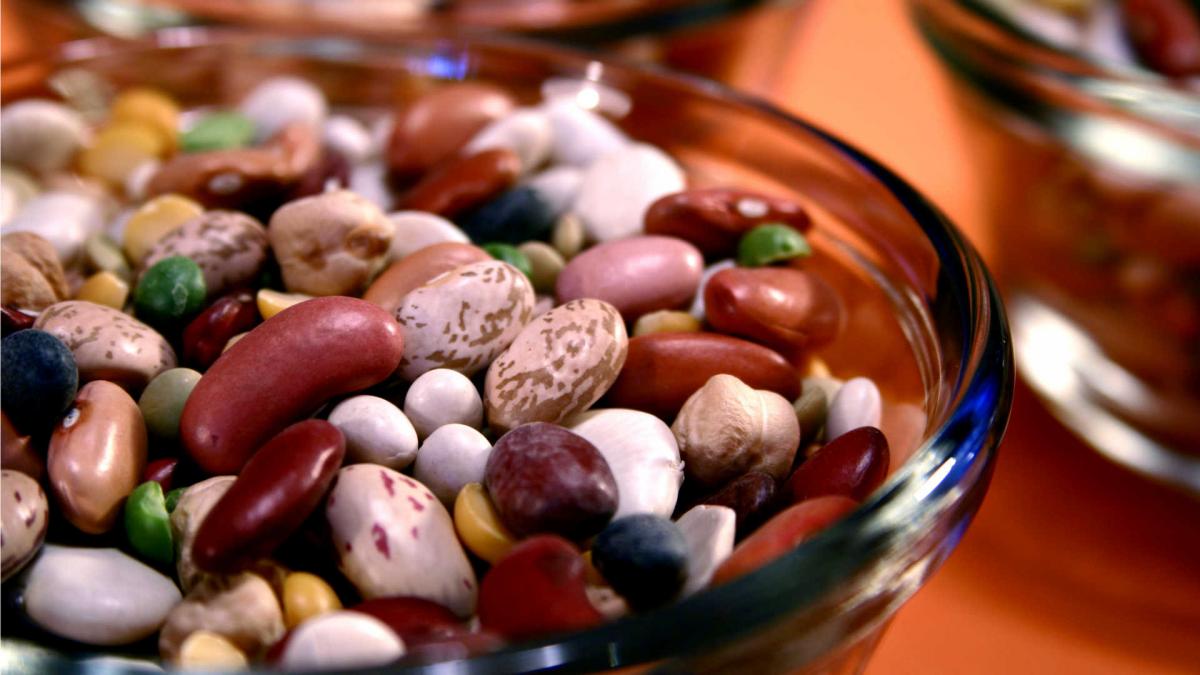
Normally, the lectin proteins are deactivated when soaking dry beans for 18-24 hours and then thoroughly cooked for 10 to 15 minutes. Any experienced chef or home cook knows how to prepare dried beans correctly. They may not understand the science but the prep, they know. Whereas, our industrialised world has taken this info away from the masses with aisles full of tinned and jarred beans. We no longer have the need to know how to prepare raw beans so they are less toxic and safe to eat.
Talking about the toxins, it's understood that lectins are extremely small and resistant to breaking down. They have a tendency towards accumulating and joining into tissues by binding to sugars where they interfere with normal biological processes. Therefore, it's no wonder some look to eliminate them from their diet. And books have been written to help us avoid such damaging substances within a food. Most recently, The Plant Paradox attempts to guide us away from lectins.
However, when prepared correctly, the lectins in beans are neutralised. So possibly not a strong reason to stop eating beans altogether. Actually, lectins are found in other foods too. Grains, nightshades (white potatoes, tomatoes, bell peppers, etc.), carrots, grapes, cherries, raspberries, garlic and many more foods contain lectins as well as the familiar beans and peanuts.[1]
In reality, we should not categorise lectins as either good or bad. We should learn from our mistake of telling the world 'saturated fat is bad for your health'. When in fact, the saturated fat in fruit such as coconuts either has no effect or just might be proving to be good for your health. While a saturated fat in pork, lamb, and beef has inflammatory effects on our bodies.
If we did run down the route with the belief lectins are bad, then anyone following a plant-based diet would find life very difficult as legumes, nuts, seeds, and grains provide their protein.
Diet Beats Drugs
Despite this, a diet has been developed, based on these ideas, that's proving better than drugs. Aggressive steroids and immunosuppressive drugs now have natural nutritional competition without the side-effects. The autoimmune protocol (AIP) diet effectively treated 73% of Crohn's disease (CD) and ulcerative colitis (UC) patients.[2]
To be clear, an autoimmune disorder causes an individual's immune system to mistakenly attack and destroy healthy body tissue. Other common autoimmune disorders include type 1 diabetes, multiple sclerosis, psoriasis, inflammatory bowel disease and Graves disease.
According to Statista "Autoimmune conditions are more common among women than men, with women accounting for 57 percent of all diagnosed autoimmune conditions in the U.S. and 63 percent of such conditions in Brazil".
Up to 10% of the population is diagnosed with an autoimmune disorder. But it could be a lot more if you account for other sets of data. Some smart people crunched the numbers and found up to 1 in 6 has an autoimmune disease. And there looks to be a continuous increase year after year.[3]
Clearly, something is going dramatically wrong. But now there's hope. In good time because I have never met so many women with bowel problems and colostomy bags until recently. Women living without answers. And doctors unable to provide anything solid other than drugs or cut out and sew up.
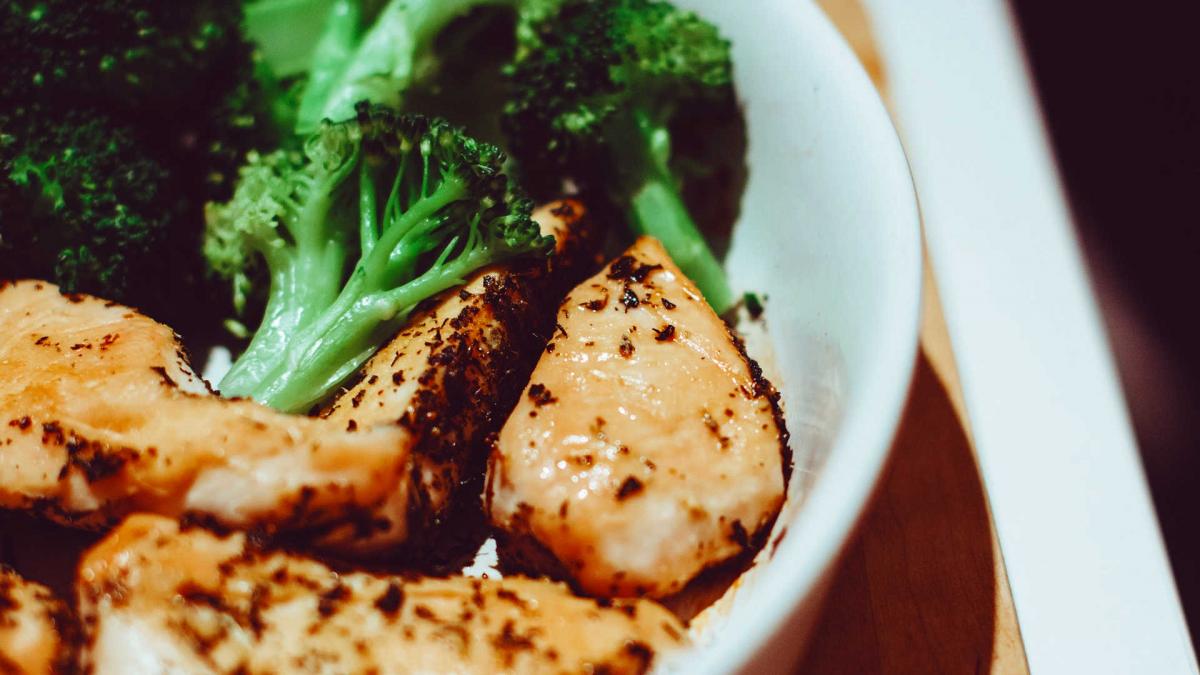
Now there is an elimination diet that removes all the difficult foods. The AIP diet removes grains, legumes (beans), nightshades, dairy, nuts & seeds, eggs, and processed foods like oils and sugar, as well as alcohol and coffee and anti-inflammatory drugs. All you're left with are meats and vegetables for around 12-weeks before slowly reintroducing foods.
Even though the diet is drastic, it allows your body to heal from the onslaught of damaging substances. It's another piece of evidence that "dietary modification can modulate inflammation and improve clinical responses in IBD".
Anti-Nutrient Meddling with the Goodness
However, we haven't identified the cause. Some blamed legumes and their lectins, but it seems that if they are cooked and fermented then they pose little threat. Although, they may not be the most nutritious food. In contrast, they have an anti-nutrient. A substance that prevents us from absorbing minerals like iron and zinc. As it travels through us, phytic acid interferes with digestive enzymes. Pepsin is prevented from breaking down proteins in our stomach. Phytic acid stops amylase separating starch into glucose sugar. And it also hinders trypsin digesting protein in the small intestine.
On the other hand, phytic acid isn't limited to beans... its found in high quantities in nuts and seeds and spinach and chard.[4] Albeit, there's no reason to stop eating these foods because they provide a lot of other nutrients. Plus, the phytate is broken down by soaking and cooking. And it is degraded in our stomachs and small intestine. But keep in mind, if you're eating a lot of these foods (especially if you're a vegan or veggie) you might need to eat a lot more iron-rich foods to account for the lost mineral binding to phytic acid.
Overall, while not being very nutritionally dense, legume's lectins and phytic acid do not look to be the cause of disease. So they can supplement a diet. But still, there is some concern with one legume... the peanut.
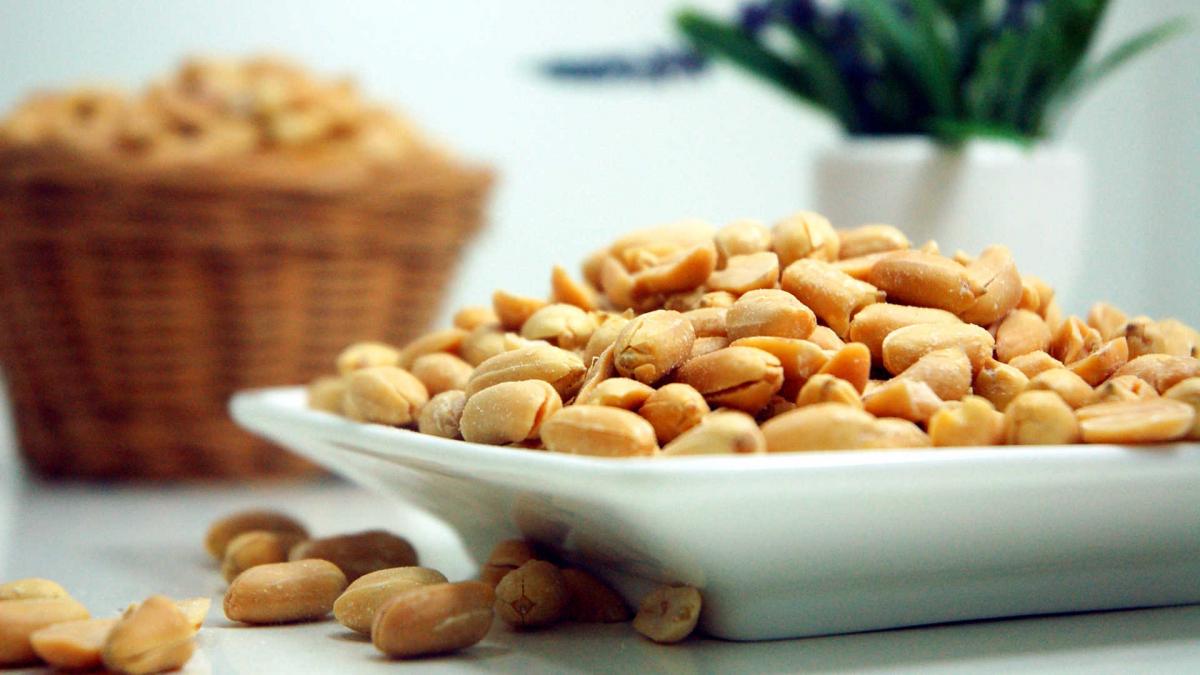
The experts are unsure about this one because the lectins in peanuts are not removed during roasting or when making peanut oil. And from that, we do know the lectins get into our bodies - but we do not really understand their actions. In Petri dishes, these lectins damage human cells. They could damage our intestines. And yet, human trials demonstrate that peanuts may improve blood fat levels.[5,6,7]
Microscopic Inflammatory Protein Springs a Leak
For one thing, lectins keep cropping up. One such protein, wheat germ agglutinin (WGA), has been found to bind to a wide range of bodily tissues. It stimulates pro-inflammatory chemical messengers (cytokines) in intestinal and immune cells. Due to WGA binding specifically to sugars on human gastrointestinal epithelial and immune cells, it can affect our immune system.

While activating our immune system, WGA also increases intestinal permeability, otherwise known as leaky gut. This leads to a number of gastrointestinal disorders. Antibodies to WGA have been detected in healthy people. And recorded levels of antibodies were significantly higher in celiac patients. Therefore, WGA could play a role in developing the disease.
Plus, Anti-inflammatory medications, such as ibuprofen and aspirin, increase intestinal permeability. They may increase absorption of pro-inflammatory WGA.
Evan at extremely small concentrations, nanomolar, WGA is unexpectedly bioactive on immune cells. This tiny function could underline the start of gastrointestinal disorders observed with wheat-based foods. It should also be recognised that this wheat protein has been shown to play a causative role in patients with chronic thin gut inflammation.[8,9,10,11,12]
With this in mind, it's conflicting with the advice to eat whole-grains. Wheat germ contains a huge amount of agglutinin, test show between 100-500μg/g. It also holds many nutrients including vitamin E and Zinc. Although, white wheat flour is germ-free with it being removed because the oils eventually go rancid and spoil the flour. So you're unlikely to find much wheat germ agglutinin... around 4μg/g. Where wholemeal flour contains 30-50μg/g of WGA as well as other anti-nutrients and nutrients. While the active WGA in breakfast cereals could be as much as 50μg/g. Lastly, pasta is pretty much void of WGA. After cooking pasta or wholemeal pasta, either one, the protein is almost undetectable.
The debate will continue as we figure out if whole-grain nutrition outweighs the anti-nutrients. Did the Romans get it right by striving for whiter than white bread? Are the Italians correct making pasta? It does seem our history has proven ways to process these foods through boiling, fermenting, sprouting, and peeling. Yet some of this info gets lost and the next gen risks sickness and disease.