
Sleep Power Improves Wellness
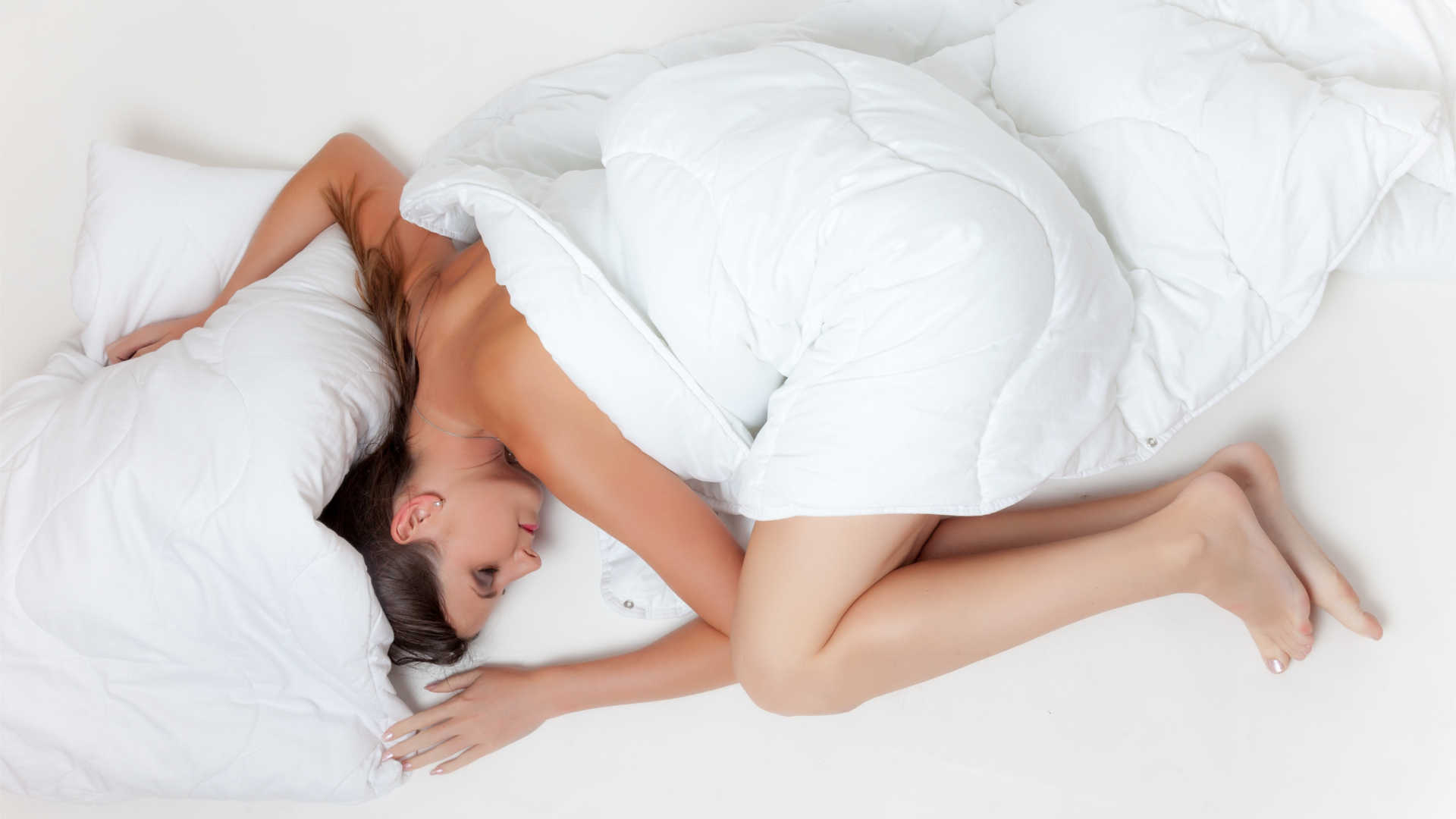
Just six sleep hours a night. Not enough. According to the Sleep Council's survey, nearly half of us are getting enough sleep. Some are on a lot less even though sleep is incredibly important. It is one of the keys to good health besides exercise and nutrition. Sound sleep habits can support a number of biological systems. Therefore, interfering with your sleep can cause malfunctions.
your body is likely to get confused and use the wrong nutrients.
On average, you'll need 7 to 9 hours sleep. Otherwise...
...you can start to feel sluggish and might struggle with your body weight
Actually, weight gain is associated with an inability to sleep even when researchers adjusted for demographic, lifestyle, work and health-related circumstances.[1] Even worse is the longer it goes on, the more fat you're likely to put on.[2] The science may not be conclusive, but it is persistent. Study after study shows the same relationship between a lack of sleep and increased body fat.
what goes on in your brain is directly related to your sleep quality.
In fact, if you're dieting and not getting enough sleep then your challenge could be made bigger. It's because while trying to lose weight by restricting calories and eating less, mixed with 3 hours deprived sleep per night, your body is likely to get confused and use the wrong nutrients. Instead of using your stored fat, it's possible that weight loss will come from the rest of your body.[3]
As you'll already know, general calorie restriction diets to lose weight are not sustainable or healthy. So, soon enough you'll revert back to eating for your needs, although, continued sleep deprivation increases hunger which can cause you to eat the wrong things and gain body fat. Even if you manage not to eat the 20% more food many sleep-deprived women consume, then because of the disruption a lack of sleep has on your body, over time, your body can choose to add fat to its stores.
Also, there's a force that sends us into a negative state.
In a similar way, with a lack of sleep, your optimism and self-esteem are compromised.[4] Brainwave patterns while sleeping are sometimes similar to a depressed person.[5] I'm sure you'll agree, what goes on in your brain is directly related to your sleep quality. Thinking clearly and making decisions rely heavily on getting great sleep. If you've been lacking sleep for long periods then you'll probably have suffered foggy spells with careless and forgetful episodes. And moments that you had to focus to get regularly simple things straight in your mind.
Restlessness' effects continue to build, all the same, there are solutions to help counter the impacts
Meanwhile, not being able to slumber enough is becoming a global issue. Satisfactory rest is vital to your health. Although, society mostly focuses on doing more and eating less to counter the global illness. But like I said before, sleep is a major key. Interestingly, half of the population are either overweight or obese. Now cross that with the 50% counting sheep and struggling... how many are overweight insomniacs?
It's not only a bad diet and lack of exercise that's causing obesity, diabetes, heart disease, otherwise known as metabolic syndrome. No, sleeping less (and sometimes too much sleep) with unusual patterns or being disturbed promotes metabolic syndrome. [ 6, 7]
In addition to the many symptoms your body can produce while sleep deprived, you're left open to bacterial and viral infection because your immune system takes a knocking. Also, there's a force that sends us into a negative state. You can feel like everything is an effort. Worse still, you can experience increased stress and depression and act moody.
there are a few things you can focus on to improve your shut-eye.
Considering everything is connected, it's no wonder you feel this way if your central nervous system is compromised. You're slow to react. Your energy's low. And anything enduring suffers. Plus, in this state, being sleep deprived limits your body's ability to regulate hormone levels.
It turns out, after skipping a single night's sleep your body will rapidly reduce testosterone levels. Testosterone might be thought of as a male hormone even though it is important we have balanced levels too. We can have too little testosterone in our bodies that reduce libido and satisfaction, make you feel lethargic and weak and low.
Also, cortisol, "the stress hormone", normally wakes us up in the morning and reduces throughout the day. But with the land of nod deprived, cortisol doesn't drop so you're exposed to a prolonged high hormone level.
The reality is, you need cortisol to drop and melatonin to increase so your body begins to feel sleepy. In fact, the sleep hormone, melatonin prevents Alzheimer’s and Parkinson’s disease. According to Washington University School of Medicine, it works by slowing your brain's activity and aids sleep, while breaking down your body’s active and energetic hormones. Also, it is believed that the antioxidant abilities could help reduce the severity of the diseases too.
Ideal Sleep Power Up
Due to the benefits of a good night's sleep, it's important you get enough otherwise you'll be sleeping on your health. As you can see, bad things can manifest. Therefore, if sleep is a problem for you, then there are a few things you can focus on to improve your shut-eye.
The first step is to take note of your routine. Look at how you get ready for bed. When do you get washed? Do you change into nightwear? What is the room like that you're in an hour before? What do you do during that time? These questions will help you to see your pattern and ritual.
Once you've run through your bedtime routine, think about light because it affects your body's production of melatonin which helps to send you to sleep. And yet, melatonin can only be produced in darkness. You've probably heard blue light or looking at phones screens can keep you awake. Now phone companies are reducing the blue light waves emitted by their screens to help us. Albeit, it's not just the phones screen, your tv, tablet, and computer monitor also radiates blue light too. Then take a look at your room's lighting because light bulbs produce blue light too.
When getting ready for bed and settling down for the evening, it is best to reduce the light as much as possible. Imagine about a cosy night by the fire with a book. It's a great environment to replicate for a good night's sleep. So, if you need light then it's best to use a warm light bulb on the red spectrum or candlelight. Most people are not interfered by the red light, although, keep it to a minimum.
While the environment is important, what's going on inside also affects your ability to sleep well. If you are stressing about life and allowing it to roll around your mind, then this is going to keep you unstable and awake. Find a way to control your thoughts. Deal with issues earlier in the day. And plan for tomorrow so you know where you're going rather than taking it to bed with you. I know it's easy to say but just remember nothing's going to be achieved by stressing. You're more likely to find a solution during your 7-9 hours sleep. I mean, how many times have you heard of people waking up with amazing ideas? Allow your sub-conscience to take over and find the answers.
Also, if you simply do not feel tired then maybe exercise will help. It's a great way to tire the body out and cause sleepiness. But not only physical exercise, training your mind can tire you out. Flex your abilities both physically and mentally. Do something new. And you should find it easier to drop asleep.
Plus, alcohol and caffeine are typical culprits for disrupting sleep. Alcohol can make you fall asleep quicker, however, it disturbs overall sleep quality. You might end up feeling groggy in the morning rather than bouncing out of bed. Not to forget the caffeine, it's renowned for keeping people awake. Now, it does depend on your metabolism... some people can drink coffee and tea in the evening and go to sleep without a problem, while others will be buzzing for 6 hours. So it is an individual decision. If caffeine keeps you awake then obviously do not take it in the late afternoon or evening.
Lastly, most people have the idea that they need to sleep 7 to 9 hours all in one go. That's not actually true because most of the Mediterranean (one of the healthiest places in the world) split up their sleep hours. They nap during the day and party long into the twilight. Nick Littlehales points out in his book SLEEP how we've changed our approach to analysing sleep. And it turns out that you can make up your total sleep hours with 20-30 min naps.