
These Gentle Shampoos don't Strip Body & Shine
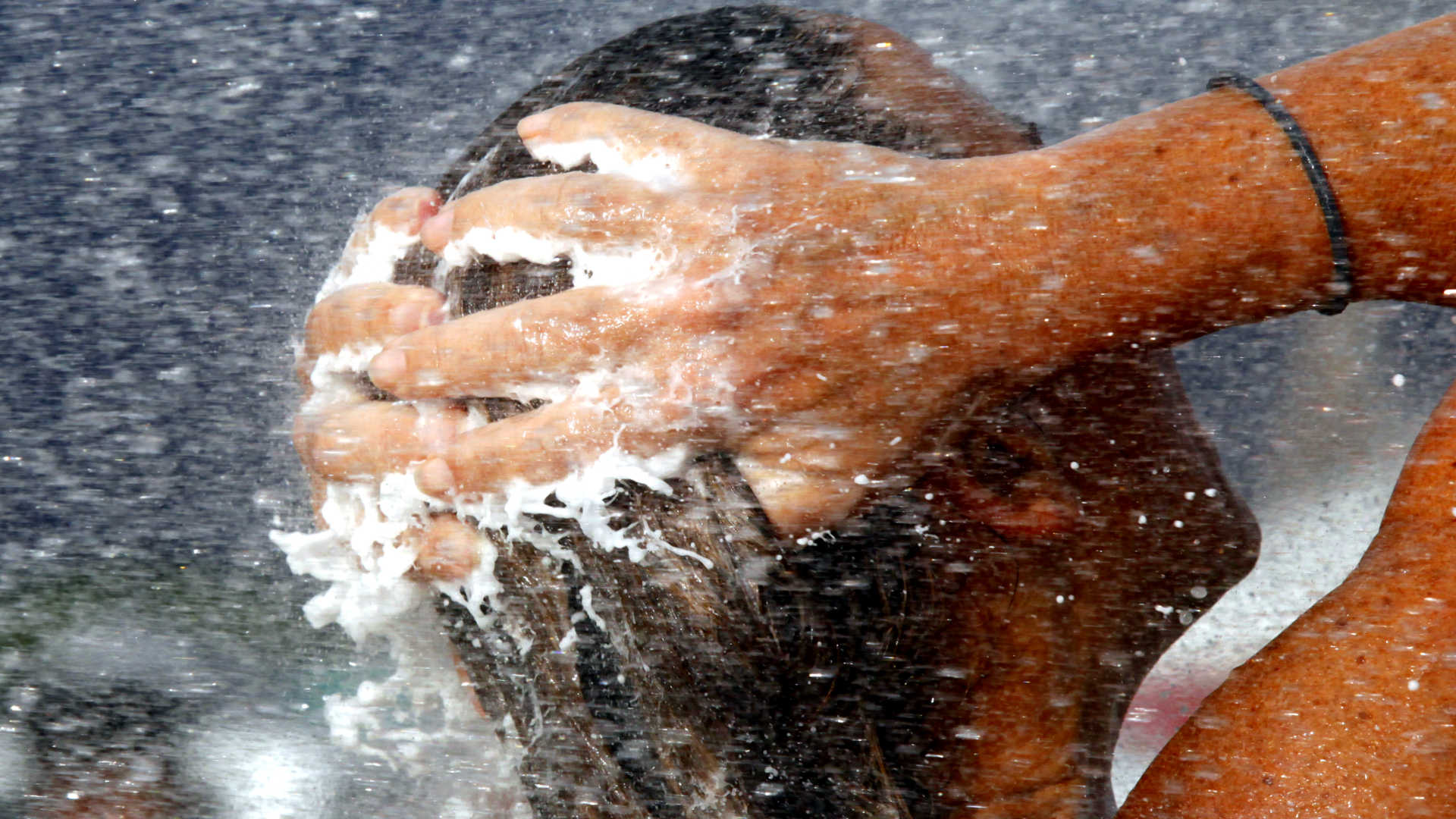
Eventually, our hair starts to feel yucky. Brushing and styling just aren't happening... It needs washing. So, we wash our hair to remove the dirt and product residue and grease. And then we'll go through various conditioners and treatments and masks and oils and so on, just to get our locks feeling smooth and manageable. Then we can easily style it again.
However, all that foaming has got women asking questions. Including me. I didn't think anything of it before. I've grown up lathering shampoo through my hair. And avoid getting it in my eyes. It can really sting, can't it? As a child, I used a shampoo that was gentle on the eyes. At some point, I don't remember when, I started buying shampoo brands and assisting products for their promises of soft and shiny hair.
Now, we're demanding natural results. We are beginning to questioning the chemicals in products and their long-term effects. While this isn't new, the chatter has built momentum that the industry cannot ignore. Could that mean images of women tenderly massaging shampoo suds through their hair will be left in the past?
Actually, the chemical that causes foaming is a bit concerning. Not only does it dry out your hair... and skin, but according to some trichologists (hair and scalp specialists) sulphates can contribute to hair loss too. Apparently, they "can corrode the hair follicle and impair its' ability to grow hair".
In reality, SLS or SLES (sodium laureth sulphate, sodium lauryl sulphate, ammonium lareth sulphate, myreth sulphate, and sodium laureth ether sulphate) are added to all sorts of products including handwash and toothpaste. The created lather is often made by one of these chemicals as it separates molecules. Although, the downside is they strip out the natural moistening factor of the skin (NMF). This protective film is working to defend your scalp from germs and bacteria and it can take up to 12 hours before it is moisturised again.
Nevertheless, the biggest worry is the connection SLS has to Cancer. Nothing's proven but these chemicals are linked to nitrosamines, carcinogens that cause nitrate absorption, which is carcinogenic too. So they could well be indirectly harmful in the long run. Despite this, a significant reason to switch to a sulphate-free shampoo is due to skin irritation and increasing eczema.
Either way, as a consequence of our demands and awareness, you now have choices. Many have highly rated these shampoos. They say...
"This shampoo get your scalp clean (mine gets a little oily) and adds volume without washing out the colour."
"When I notice my hair is very dry and bad split ends, I use this shampoo and it leaves it so soft."
"My hair used to fall out and since I have been using this product, my hair has been falling out less."
Altogether, there are many sulphate-free products in the shop. And because they do not lather, they feel similar to working conditioner through your hair. Plus, they recommend you leave it in for a few minutes before rinsing. I guess it takes a little longer to break down the grease and dirt without the chemical.
Below are a few of the best selling sulphate-free shampoos.
Hask Sulphate-free Shampoo

This collection of hair care products featuring exotic oils and other unique ingredients from around the world. They are free of sulphates, parabens, drying alcohols, phthalates and gluten. Each system was developed to target and solve specific hair care needs.
L'Oreal Sulphate-free Shampoo

These gentle cleansing creams have no foam, no sulphates and are enriched with 6 flower extracts. They condition your hair and gently removes impurities.
Noughty Sulphate-free Shampoo

All natural shampoos. No nasty parabens, petrochemicals, sulphates, silicones. No sacrificing your health or hair.
Palmers Sulphate-free Shampoo

These smoothing shampoos moisturise and replenish moisture and nutrients and remove product buildup. They cleanse thoroughly and leave hair softer and easier to style while leaving your hair healthier and stronger.